
There are moments when a year does not feel ready to end neatly. Too much has happened. Too much has been said. Too much has been left unsaid. We arrive at Rosh Hashanah not as blank pages, but carrying everything we have done, avoided, justified, regretted, and hoped might quietly disappear with time.
But Rosh Hashanah does not let us disappear.
The Torah reading brings us into the difficult story of Sarah, Hagar, Ishmael, Avraham and Yitzchak. It is a strange reading for the New Year, because it is not tidy or comforting. A child is born, a promise continues, but another child is sent away. There is blessing, but there is also jealousy, fear, pain, silence, and exile.
That should trouble us.
Ishmael is not cast aside because he has no value. The Torah is clear that HaShem hears his cry too. Yet human jealousy and insecurity have consequences. They do not stay safely inside us. They spill out into families, communities, decisions, and relationships. They shape how people are treated. They decide who is welcomed and who is pushed away. They can make us protect what we love in ways that wound someone else.
That is not just an ancient family story. It is painfully recognisable.
Most of us know what jealousy feels like, even if we do not like admitting it. The fear of being replaced. The resentment when someone else is noticed. The discomfort when another person’s blessing feels like a threat to our own. We may dress those feelings up as principle, caution, or concern, but they can still distort us. And once they do, we may become capable of behaviour we would condemn in someone else.
Rosh Hashanah asks a hard question: who has paid the price for the parts of ourselves we refused to face?
Hagar, alone in the wilderness, believes there is no future left. She cannot bear to watch her child suffer, so she moves away. Then HaShem hears the voice of the boy, and her eyes are opened to a well of water that was already there.
The well was not created in that moment. It was seen in that moment.
Perhaps that is one of the sharpest messages of Rosh Hashanah. We may not need a completely different life before we can begin again. We may need opened eyes. To see the apology we have delayed. The person we have judged unfairly. The responsibility we keep leaving to others. The damage caused by pride. The blessing we have treated as entitlement. The Jewish life we claim to value, but too often place behind everything else.
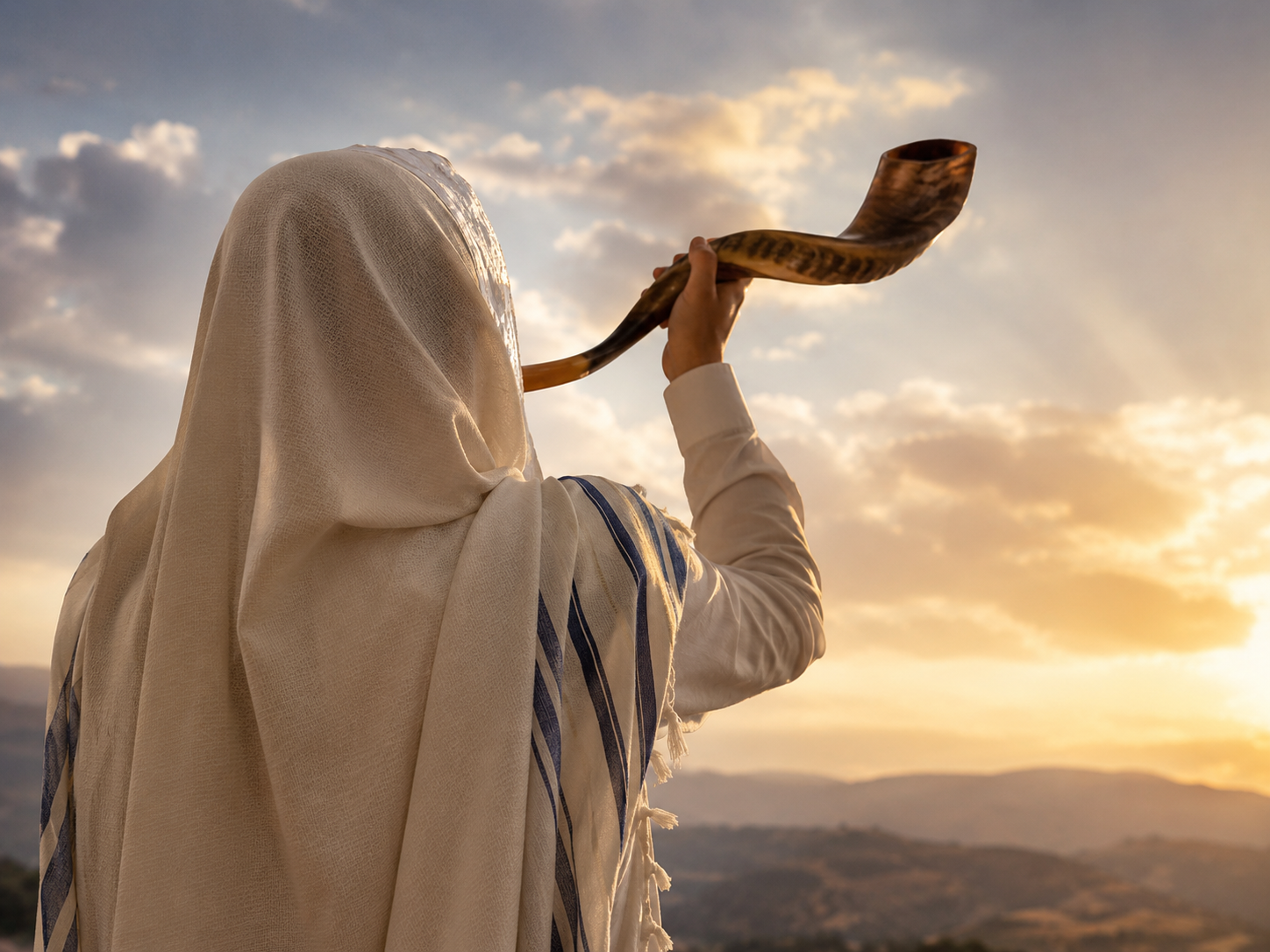
Then comes the shofar.
It is not polite. It does not flatter us, explain itself, or give us room for excuses. It is a broken sound for people who are willing to admit that something in them is also broken. It asks whether we are still awake enough to change.
Judgement on Rosh Hashanah can sound frightening, but perhaps it is also a form of mercy. To be judged by HaShem means our lives matter. Our choices matter. The way we speak, forgive, envy, love, lead, exclude, include, and show up matters. We are not trapped inside who we have been. But we are responsible for what we do next.
So as we enter 5787, the question cannot only be what kind of year we hope HaShem will give us. It has to be what kind of people we are prepared to become.
Who do we need to stop resenting? Who do we need to make peace with? Who have we pushed away, ignored, or misunderstood? What are we still pretending not to see?
May the sound of the shofar disturb us where we have become too comfortable, soften us where we have become too hard, and call us back to the people we still have the chance to become.
Shanah Tovah U’Metuka.