
This week we begin the book of Devarim, with Moshe standing before the Israelites and looking back over the journey they have taken. He does not offer a sentimental farewell. He does not soften the past to make everyone feel better. Instead, he speaks with painful honesty about failure, fear, rebellion, missed opportunities, and the long road that brought them to the edge of the Land.
It is not comfortable listening. But then, truth rarely is.
This Shabbat is also Shabbat Chazon, the Shabbat of Vision, named after the opening words of the haftarah from Isaiah. It is always read before Tisha B’Av, when we remember the destruction of the Temples and the many tragedies that have marked Jewish history. Isaiah’s vision is not gentle. He sees a society that still has rituals, offerings, and religious language, but has lost justice, compassion, and moral seriousness.
That should disturb us, because it is possible to look religious while becoming spiritually numb.
Devarim and Shabbat Chazon ask us to look honestly at what happens when a people stops listening. Moshe reminds Israel that the wilderness was not only a place of hardship. It was also a place where choices had consequences. The people feared the future, complained about the journey, distrusted HaShem, and often preferred panic to responsibility. Now, before they enter the Land, Moshe makes them remember.
Memory in Judaism is not nostalgia. It is not there to make us feel warm about the past. It is there to stop us repeating our worst mistakes.
That is the challenge of this Shabbat. Tisha B’Av is not simply about buildings that were destroyed long ago. It is about what can happen when a society corrodes from within, when public life becomes cruel, when divisions deepen, when people stop seeing one another as responsible partners in a shared covenant.
And yes, that feels painfully relevant.
We live in a time of fractured communities, rising antisemitism, anxiety about Israel, and a public culture that often rewards anger more than wisdom. It is easy to blame everyone else. It is harder to ask what kind of people we are becoming, what kind of community we are building, and whether our words and actions are helping to repair or quietly adding to the damage.
Shabbat Chazon does not ask us to despair. It asks us to see. To see clearly. To see what is broken. To see where we have become complacent. To see the gap between the Judaism we claim and the Judaism we actually live.
But Devarim also reminds us that rebuke is not rejection. Moshe criticises the people because they still have a future. Isaiah warns because repair is still possible. The point of prophetic vision is not to crush us, but to wake us up.
There is something deeply Jewish about that. We do not honour the past by pretending it was perfect. We honour it by learning from it. We do not mourn destruction simply by feeling sad. We mourn it by asking what must be rebuilt, and what kind of people we need to become in order to rebuild it.
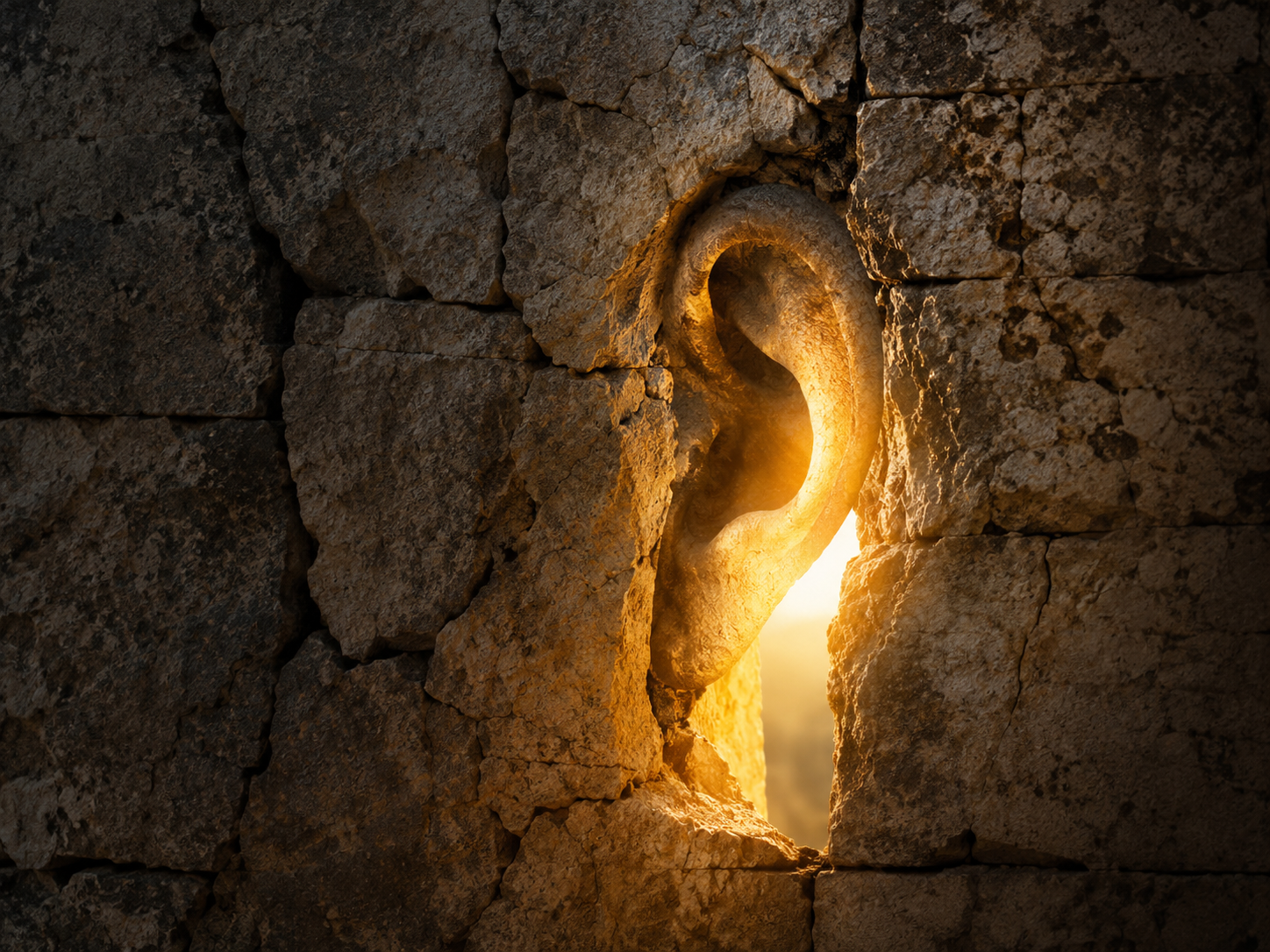
As Tisha B’Av approaches, Parashat Devarim and Shabbat Chazon ask us to listen carefully. Not defensively. Not selectively. Honestly.
Because sometimes the most merciful thing Torah can do is tell us the truth before it is too late.