
This week’s parashah, Sh’lach, tells one of the most frustrating stories in the Torah, and perhaps one of the most human. Moshe sends twelve spies to scout out the Land of Israel. They return with evidence of its beauty and abundance, carrying a cluster of grapes so large it needs to be carried between two people. So far, so good. If this were a property viewing, everyone would be impressed.
But then comes the report.
Ten of the spies describe the land as dangerous and impossible to conquer. They speak of giants, fortified cities, and overwhelming odds. Their conclusion is devastating: “We cannot go up.” Only Caleb and Joshua see the same reality differently. They do not deny the challenges, but they refuse to be ruled by fear.
This is where the parashah becomes painfully relevant. The problem was not that the ten spies lied. The land really did contain strong cities and powerful inhabitants. Their failure was that they allowed fear to become the whole story. They mistook difficulty for impossibility.
We do this more often than we might like to admit. A challenge appears, and suddenly the mind starts writing its own dramatic screenplay. Everything will fail. Nobody will help. It is too big, too hard, too late. Before we know it, we are no longer responding to reality, but to the version of reality fear has edited for maximum panic.
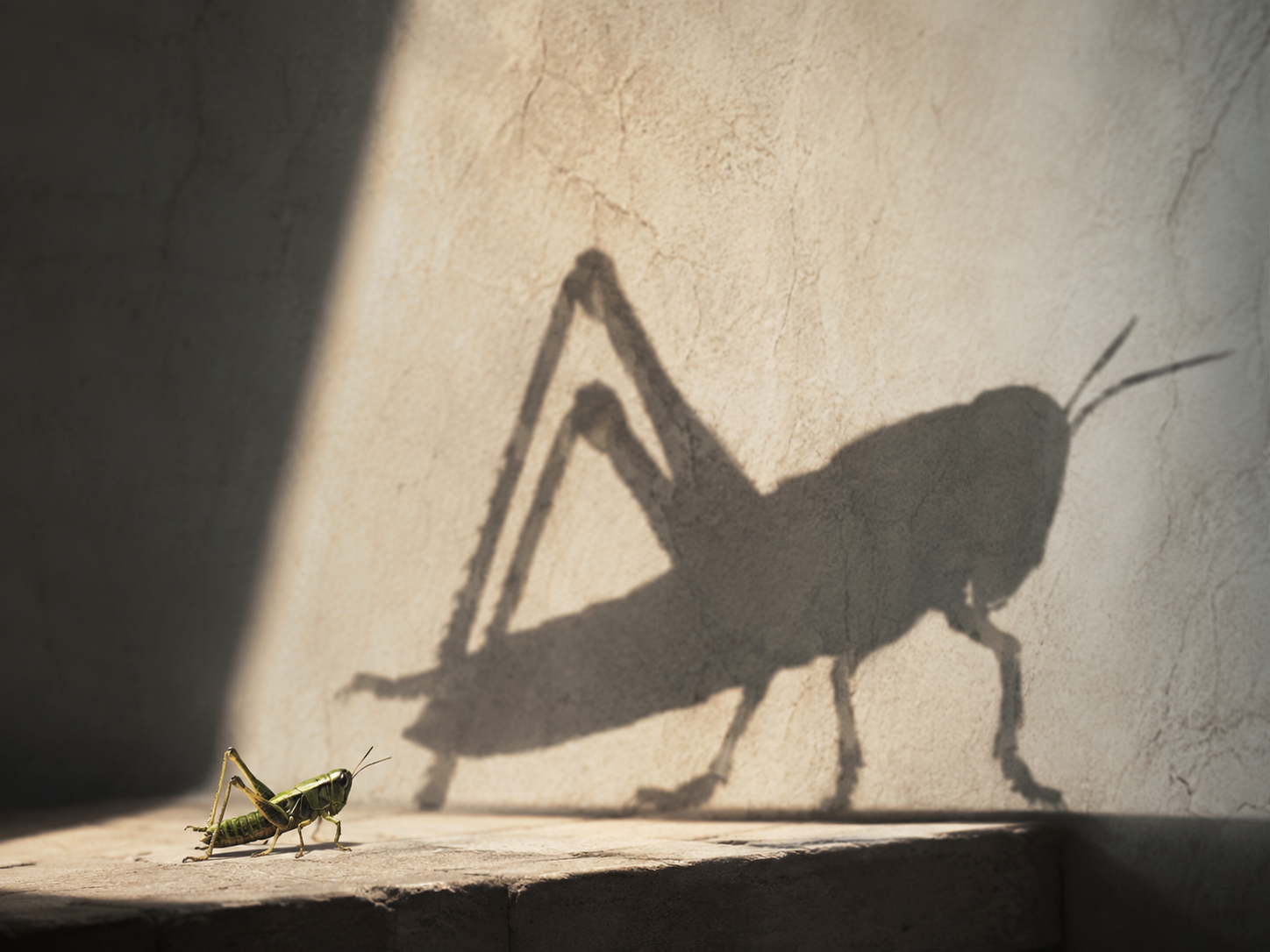
The sages teach that the spies looked at themselves and said, “We were like grasshoppers in our own eyes.” That sentence is devastating. The real collapse begins not with the giants, but with how the Israelites see themselves. Once they feel small, everything else becomes impossible.
That is a lesson for individuals, for communities, and for the Jewish people as a whole. We live in a time when many Jews look at the world and see hostility, pressure, and uncertainty. Those concerns are real. We should not pretend otherwise. But Sh’lach warns us against allowing fear to become our only lens. If we see ourselves only as vulnerable, only as surrounded, only as small, then we risk forgetting the strength, courage, and covenant that have carried us through far worse.
This also speaks directly to community life. Every community has its “giants.” Finances. Attendance. Volunteers. Security. Disagreements. Fatigue. The temptation is to look at the task and say, “We cannot go up.” But Jewish communities have never been built by people who waited until everything looked easy. They were built by people who saw the challenge and still chose to step forward.
Caleb and Joshua do not offer blind optimism. They offer faithful realism. They know the land will require courage, but they also know that the people are not alone. That is the difference between foolishness and faith. Foolishness ignores the giants. Faith sees them and walks forward anyway.
Perhaps Sh’lach asks us to think carefully about the reports we give, not only to others, but to ourselves. Do we describe our situation in a way that drains hope, or in a way that calls forth courage? Do we magnify the obstacles until they fill the whole page, or do we leave room for possibility?
The spies teach us that words shape worlds. A fearful report can paralyse a people. A courageous one can help them move.
May this parashah remind us not to shrink ourselves before the challenges ahead. May we learn to see clearly, speak responsibly, and carry forward a Jewish life rooted not in panic, but in courage, faith, and purpose.