
This week’s parashah, Naso, is the longest in the Torah, yet one of its most striking themes is not quantity, but contradiction.
Within a single parashah we encounter the Nazir, a person who voluntarily takes on additional restrictions in pursuit of holiness, separating themselves from wine and ordinary pleasures. Yet later, that same Nazir must bring a sin offering at the completion of the vow. The Torah seems to leave us with an uncomfortable tension. Is separation from the world an act of holiness, or a failure to engage with it properly?
Perhaps the answer is both.
There is a temptation within religious life to believe that outward displays of spirituality automatically reflect inner substance. That the stricter we appear, the more authentic we must be. Yet Naso quietly resists simplistic answers. Judaism has never been only about appearances, labels, or public performance. A person can speak endlessly about holiness while treating others without dignity. They can become meticulous in ritual while careless in compassion.
And that should unsettle us.
Because it is far easier to perform Judaism than to live it.
The Priestly Blessing found within Naso is beautiful precisely because it is grounded not in spectacle, but in relationship. “May HaShem bless you and protect you.” Protection, grace, peace. Not religious theatre. Not public displays of piety designed to impress others. The Torah’s vision of holiness is ultimately about how human beings live alongside one another.
That challenge feels deeply relevant today.
We live in an age where identity is increasingly performed in public. Everything becomes presentation. Politics, morality, even religion. Social media rewards outrage, certainty, and visibility. Quiet integrity rarely goes viral. And within Jewish life, there can sometimes be a subtle pressure to confuse external symbolism with deeper covenantal responsibility.
But Torah is not sustained by aesthetics alone.
A Judaism built only on image, slogans, or cultural nostalgia may survive for a while when life is comfortable. History suggests it struggles far more when pressure comes. And pressure always comes eventually.
At the same time, Naso also warns against retreating entirely from the world. The Nazir separates temporarily, but Judaism ultimately calls us back into community, responsibility, and ordinary life. Holiness is not found by abandoning the world, but by elevating it.
Perhaps that is why the parashah ends with the dedication offerings of the tribal leaders. Each brings the same gift, yet every offering is recorded individually in full. On the surface it feels repetitive, almost unnecessarily so. But maybe the Torah is teaching something profound. Individual contributions matter, even when they appear outwardly identical. No one is lost within the collective.
And maybe that is the challenge Naso leaves with us.
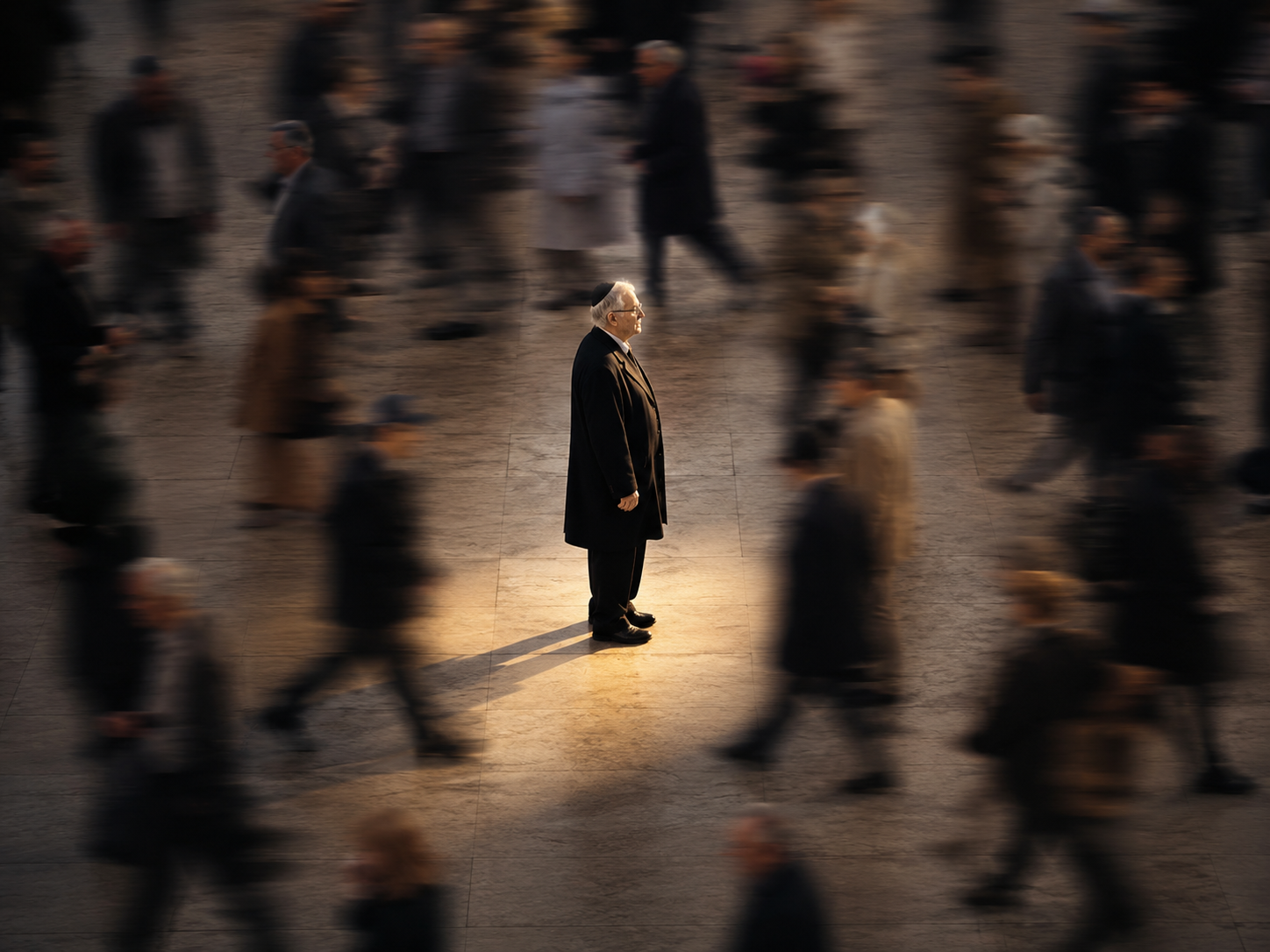
Not whether we can look Jewish, sound Jewish, or perform Jewish identity convincingly. But whether our Judaism still shapes who we are when nobody is watching.
Because eventually every community must decide whether it wants the appearance of holiness, or the substance of it.